Lubricants play a critical role in ensuring the smooth operation, durability, and efficiency of machines, vehicles, and industrial systems. Whether it’s a high-performance engine, heavy machinery, or even household equipment, choosing the right quality lubricant can make a significant difference in performance and maintenance costs.
In this blog, we’ll explore what makes a lubricant “high quality,” the different types available, and how to choose the best one for your needs.
What Are Lubricants?
Lubricants are substances (usually oils or greases) used to reduce friction between moving surfaces. By forming a protective film, they prevent direct metal-to-metal contact, reducing wear and heat generation.
Why Quality Matters in Lubricants
Using a low-quality lubricant might save money upfront, but it often leads to:
- Increased wear and tear
- Overheating of components
- Reduced efficiency
- Higher maintenance costs
- Shortened equipment lifespan
High-quality lubricants, on the other hand, provide:
- Superior protection against friction
- Better temperature stability
- Corrosion and rust prevention
- Improved fuel efficiency
- Extended service intervals
Types of Lubricants
1. Mineral Oil Lubricants
Derived from crude oil, these are the most commonly used lubricants. They are cost-effective and suitable for standard applications.
Best for: Everyday vehicles and basic machinery.
2. Synthetic Lubricants
These are chemically engineered for superior performance. They offer excellent stability in extreme temperatures and provide better protection.
Best for: High-performance engines, modern vehicles, and heavy-duty machinery.
3. Semi-Synthetic Lubricants
A blend of mineral and synthetic oils, offering a balance between performance and cost.
Best for: Mid-range applications where moderate performance is needed.
4. Greases
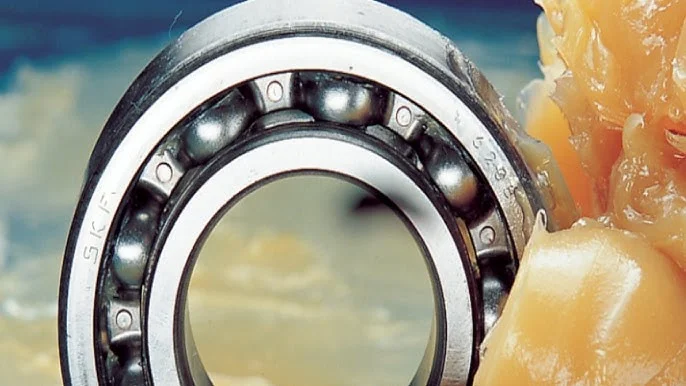
Thicker than oils, greases are used where lubrication needs to stay in place for long periods.
Best for: Bearings, joints, and heavy-load components.
Key Features of High-Quality Lubricants
When selecting a lubricant, look for these important characteristics:
✔ High Viscosity Index
Maintains consistent performance across different temperatures.
✔ Thermal Stability
Resists breakdown under high heat conditions.
✔ Oxidation Resistance
Prevents sludge formation and extends oil life.
✔ Anti-Wear Additives
Protects components from damage and friction.
✔ Detergent & Dispersant Properties
Keeps engines clean by preventing deposits.
Applications of Lubricants
🚗 Automotive Industry
Engine oils, transmission fluids, brake fluids, and gear oils are essential for vehicle performance.
🏭 Industrial Machinery
Used in compressors, turbines, and hydraulic systems to ensure smooth operation.
🏠 Household Use
Appliances like fans, mixers, and door hinges also rely on lubricants.
🚜 Agriculture & Construction
Heavy-duty equipment requires strong lubrication for long working hours and harsh environments.
How to Choose the Best Lubricant
Choosing the right lubricant depends on several factors:
- Equipment Type: Always follow manufacturer recommendations
- Operating Conditions: Consider temperature, load, and environment
- Viscosity Grade: Choose the correct thickness for optimal performance
- Standards & Certifications: Look for API, SAE, or ISO ratings
- Brand Reputation: Trusted brands often ensure consistent quality
Maintenance Tips for Better Performance
- Change lubricants at recommended intervals
- Regularly check oil levels and condition
- Avoid mixing different types of lubricants
- Store lubricants properly to prevent contamination
Conclusion
Investing in high-quality lubricants is not just about smoother operation—it’s about protecting your equipment, improving efficiency, and reducing long-term costs. Whether for personal vehicles, industrial machines, or household use, the right lubricant ensures reliability and performance.
Choosing wisely today can save you from costly repairs tomorrow.